
Introduction to Intermodal Freight
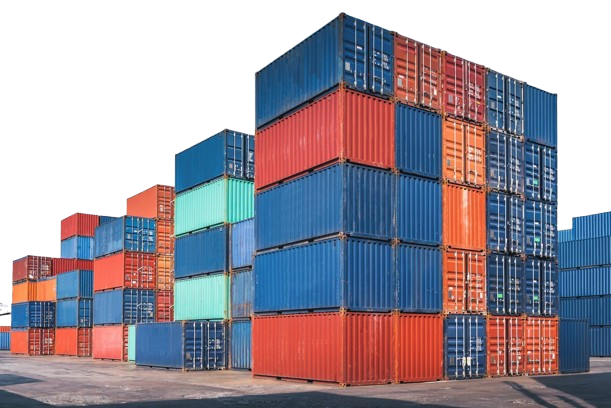
The invention of the modern steel shipping container revolutionized global commerce by creating a universal standard for intermodal transport. Because these rugged boxes can move seamlessly from container ships to freight trains and semi-trucks without anyone needing to unpack the contents inside, supply chains became faster, safer, and significantly more cost-effective.
Core Specifications and Sizes
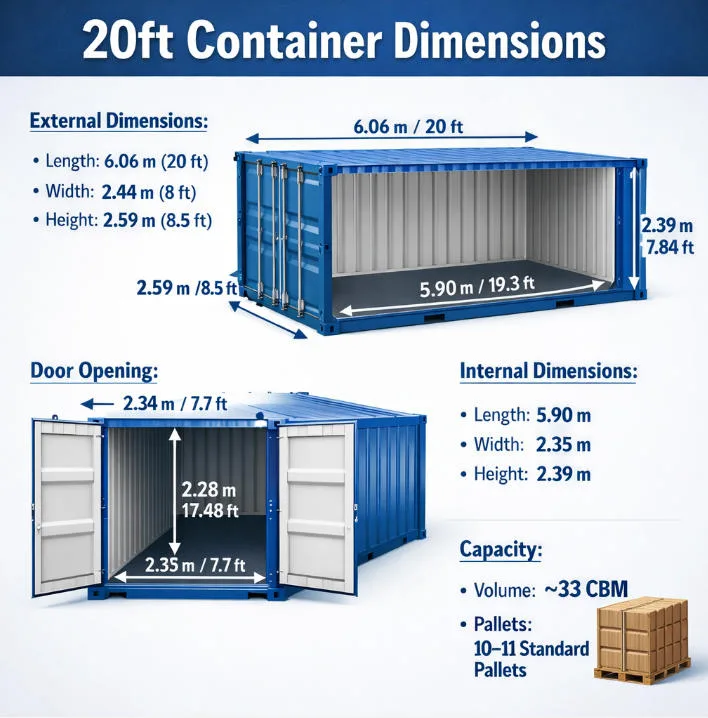
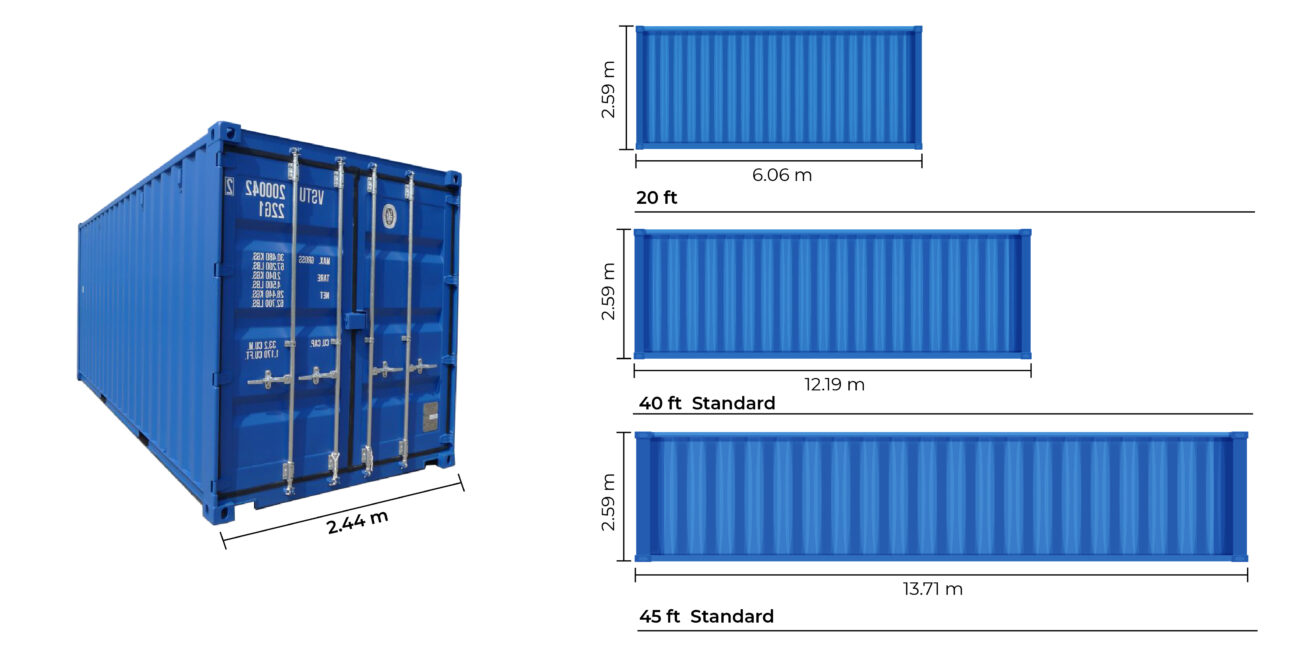
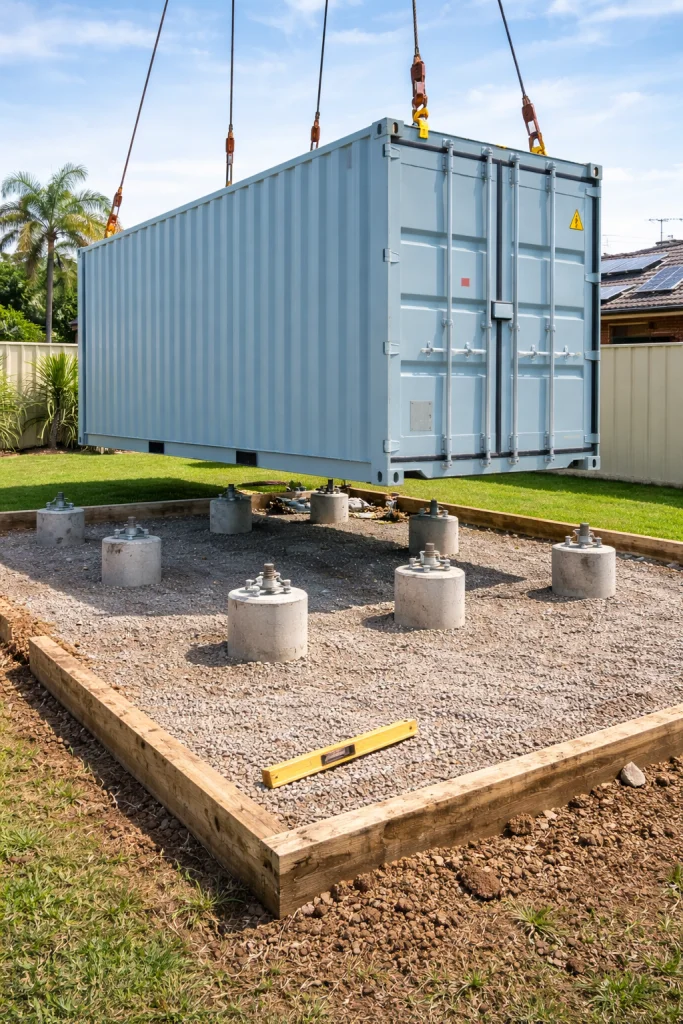
To maintain global compatibility, container manufacturing is strictly governed by standardized ISO dimensions. Whether deployed for international trade or stationary job-site storage, the industry relies on a few core formats:
- 20-Foot Standard (TEU): The foundational unit of global shipping, offering roughly 160 square feet of floor space. It is ideal for restricted spaces and heavy industrial loads.
- 40-Foot Standard: The long-haul workhorse that doubles the length and capacity, providing approximately 320 square feet of floor space.
- High Cube (HC) Variants: Providing an extra foot of height (bringing total height to 9 feet 6 inches), High Cubes are the preferred choice for both high-volume cargo and custom architectural conversions.
Conclusion
Understanding what a shipping container is and how its standardized design functions across global transportation networks is the first step toward utilizing it effectively whether you are managing international freight logistics or planning a custom structural build.