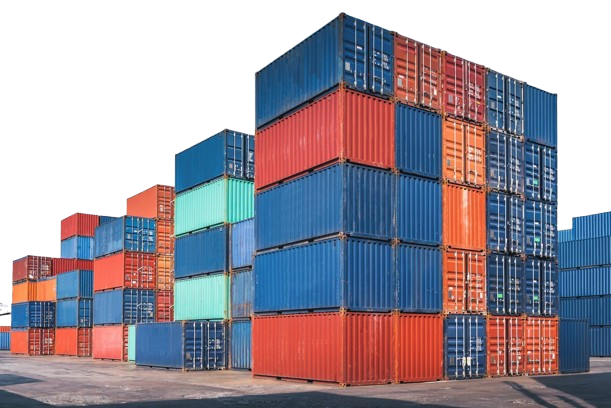
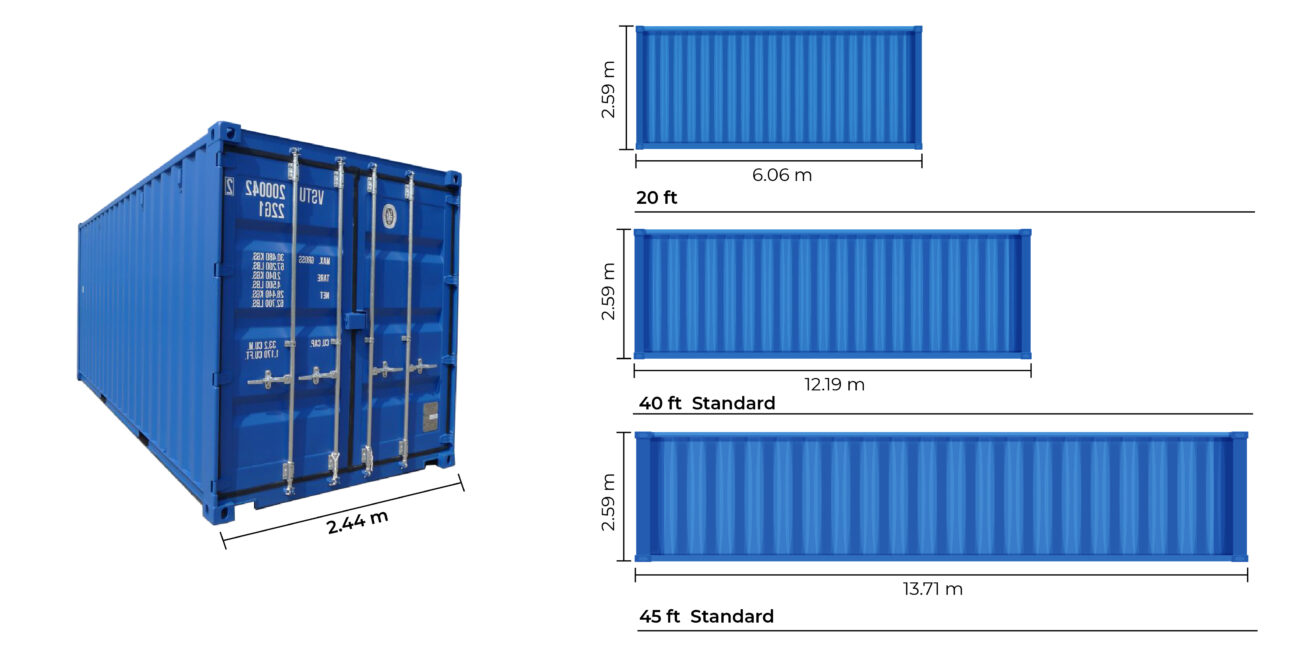
In international trade, shipping containers aren’t just metal boxes — they’re the unsung heroes moving billions in goods across borders daily.
But here’s the catch: ❌ Choose the wrong container? You risk delays, damage, and unexpected costs. ✅ Choose the right one? You ensure faster, safer, and more cost-efficient shipping.
Here’s your go-to Container Selection Cheat Sheet — no more second-guessing: 👇🏻
⛴️ Top 10 Shipping Container Types & When to Use Them:
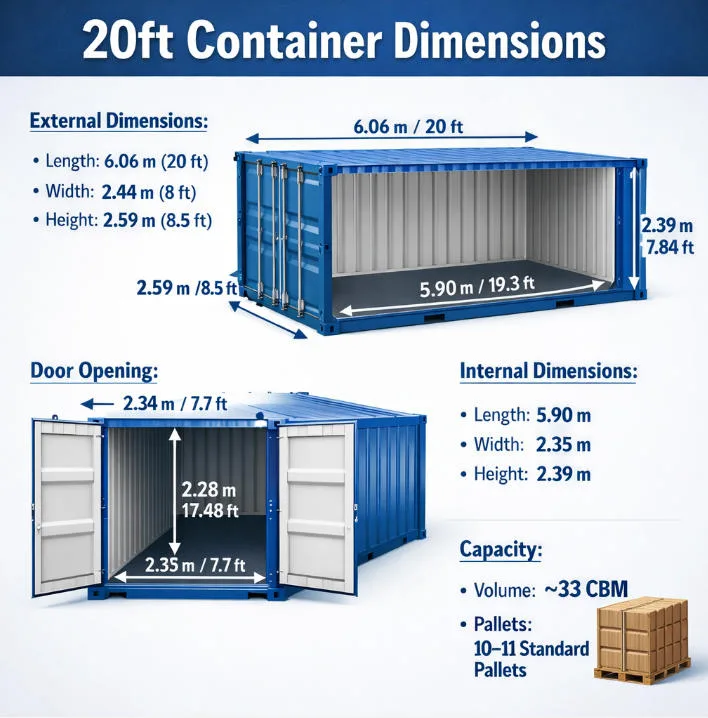
1. Dry Container – Ideal for general cargo: textiles, electronics, boxed goods. 📦
2. Reefer (Refrigerated) – For perishable goods like food, dairy, and pharmaceuticals. ❄️
3. Open Top – Perfect for over-height cargo (e.g., machinery, construction equipment). 🏗️
4. Flat Rack – Great for heavy or oversized cargo such as vehicles and pipes. 🚛
5. Tank Container – Designed for transporting bulk liquids, chemicals, and gases. 🛢️
6. Ventilated Container – For airflow-sensitive cargo like coffee and cocoa beans. ☕
7. Insulated Container – Maintains temperature without active cooling; ideal for short distances. 🌡️
8. Double Door Container – Enables easy and fast loading/unloading from both ends. 🔁
9. Bulk Container – Best for loose, free-flowing materials like grains, coal, or pellets. 🌾
10. Half-Height Container – Built for dense, heavy items like stones and minerals. 🪨
⚠️ Before You Book, Ask Yourself:
✔️ What are you shipping? ✔️ Does it need refrigeration or ventilation? ✔️ Is it too tall or heavy for standard containers? ✔️ How will it be loaded/unloaded? ✔️Will it cross borders — are there compliance or safety considerations?
💭 Have you ever booked the wrong container and faced an issue? Let’s share and learn — drop your experience below!