
Introduction to Container Delivery and Site Prep
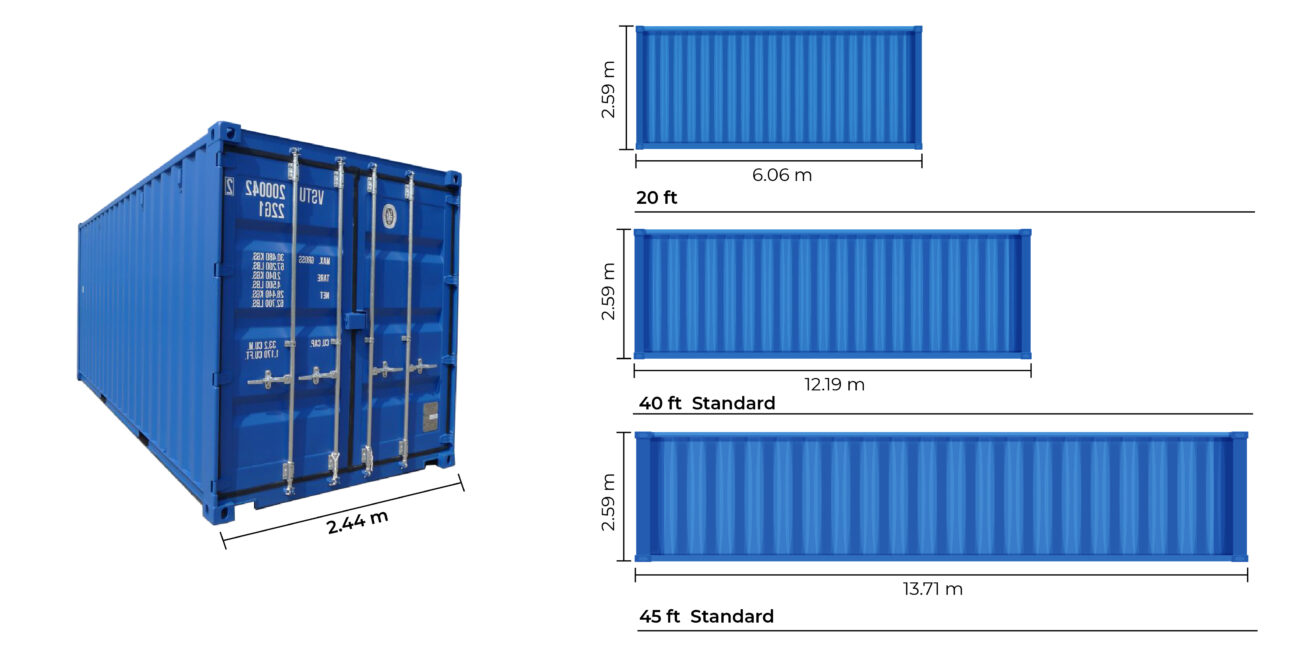
Choosing the right container size whether a compact 20ft unit, a custom 30ft box, or a spacious 40ft workspace is only half the battle. The true test of a successful project often lies in the logistics of delivery and site preparation. Heavy corrugated steel boxes require specialized transport vehicles, adequate turning radiuses, and stable foundations to ensure safe unloading.
This guide explores the logistical nuances of transporting and placing different container sizes, combining transactional buying insights with actionable technical advice.
1: Transport Requirements by Container Size
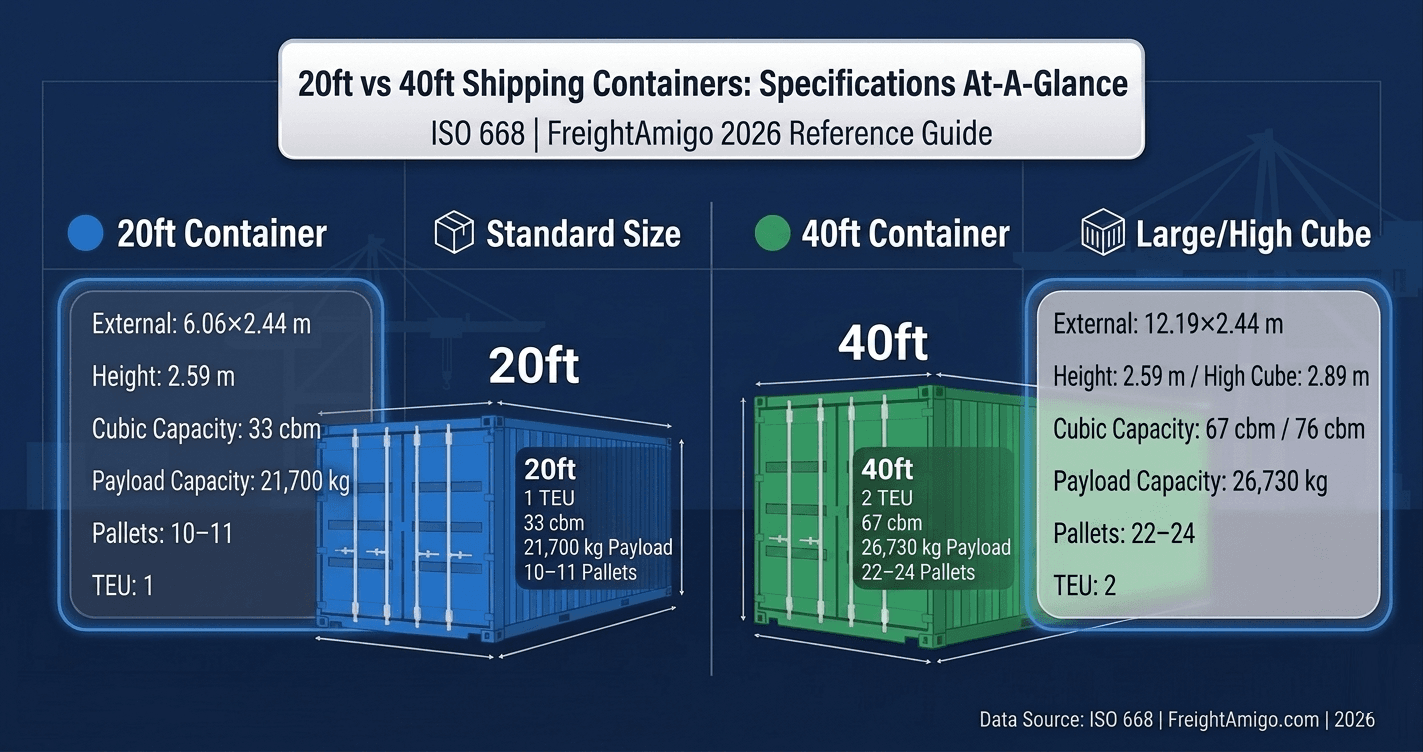
Transporting intermodal containers involves moving heavy, rigid steel structures over public roads and dropping them precisely onto private land. The logistics vary significantly depending on the length and weight of the unit.
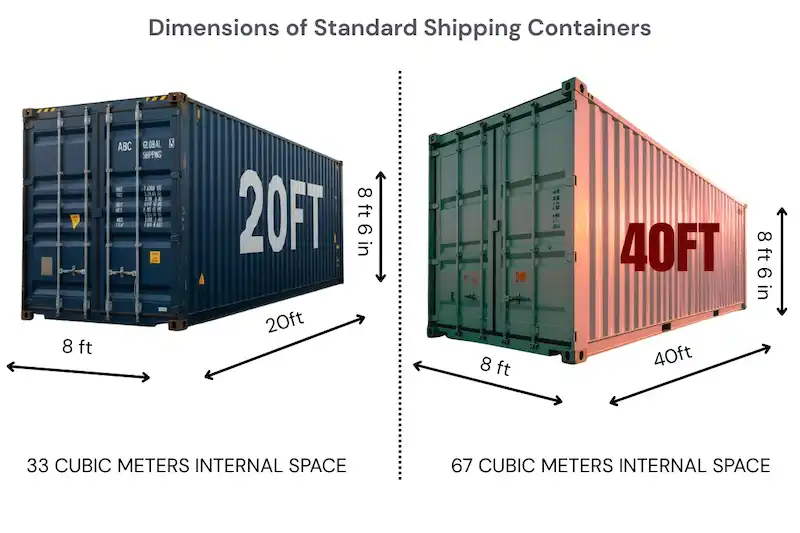
1. Transporting 20-Foot Containers
- Truck Type: Typically hauled on smaller flatbed trucks, roll-off tilt-bed trucks, or regional bobtail trucks.
- Clearance Needed: Requires roughly 60 feet of straight-line clearance for a tilt-bed truck to pull forward while sliding the container off the back.
- Weight Considerations: Weighing around 4,800 lbs empty, 20ft units can easily be handled by standard commercial tow and roll-off equipment without requiring specialized heavy-haul permits in most jurisdictions.
2. Transporting 30-Foot Containers
- Truck Type: Requires standard semi-trailer flatbeds or extended roll-off configurations.
- Clearance Needed: Requires approximately 80 feet of linear clearance due to the combined length of the tractor and trailer.
- Handling Note: Because 30-foot units are often custom fabrications, securing them correctly on a standard 40ft trailer bed requires careful weight distribution and certified twist-lock placement.
3. Transporting 40-Foot Containers
- Truck Type: Requires a full semi-tractor trailer rig with a 40ft flatbed or chassis.
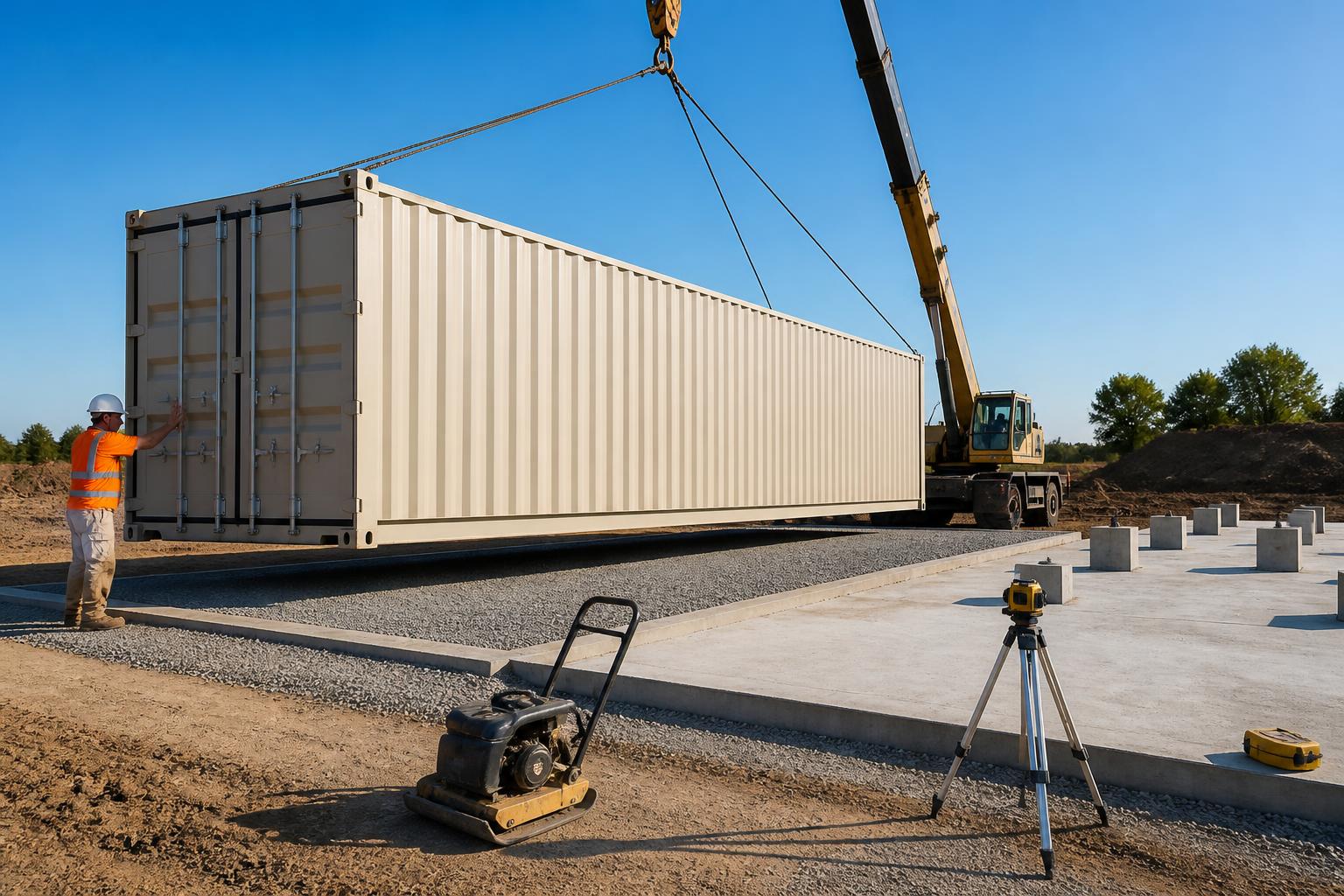
- Clearance Needed: Requires a minimum of 100 feet of straight-line clearance. If trees, power lines, or narrow gates restrict access, a crane truck (Hiab) may be required to lift the container over obstacles.
- Weight Considerations: An empty 40ft standard box weighs roughly 8,000 lbs, while a High Cube variant weighs even more, demanding stable roadbeds to prevent heavy transport trucks from getting stuck.
Part 2: Site Preparation and Foundation Guidelines
Once your container arrives at the job site or residential plot, placing it directly onto soft mud or uneven grass will lead to structural twisting, jammed doors, and accelerated corrosion.
- Level Ground: The foundation must be completely level. Even a slight slope can place torsional stress on the steel frame, making it impossible to latch the swinging cargo doors correctly.
- Foundation Options:
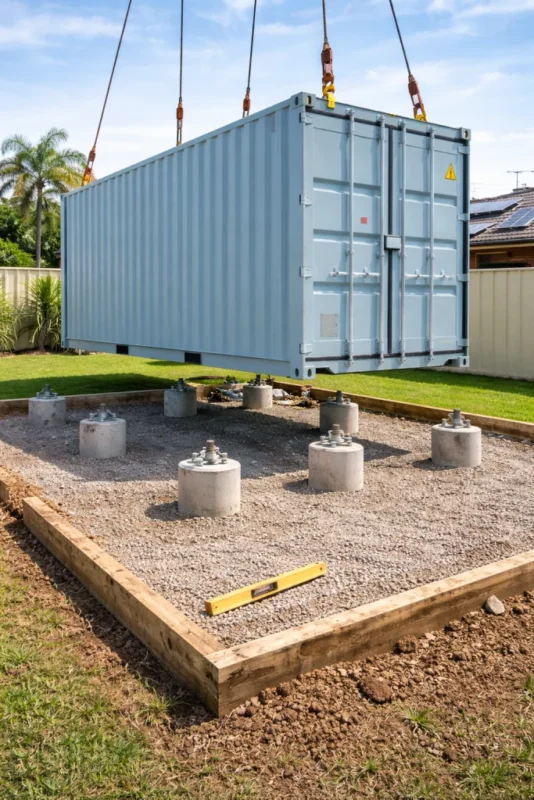
- Compacted Gravel Pad: The most popular and cost-effective choice for storage yards, allowing natural drainage underneath the steel floor beams.
- Concrete Piers / Blocks: Placing concrete footings at the four corners (and midpoints for 40ft units) elevates the container off the ground, maximizing airflow and preventing moisture accumulation.
- Full Concrete Slab: Ideal for permanent architectural modifications and container homes where plumbing and electrical utilities will enter through the floor.