
Whether you are looking to transport cargo across international waters or transform a corrugated steel box into a modern living space, understanding the fundamentals is essential. With so many variables from dimensions and condition grades to structural modifications—navigating the market can feel overwhelming.
This comprehensive shipping container guide breaks down everything you need to know about standard container specifications, grading standards, and practical applications.
2. Understanding shipping container Dimensions and Weights
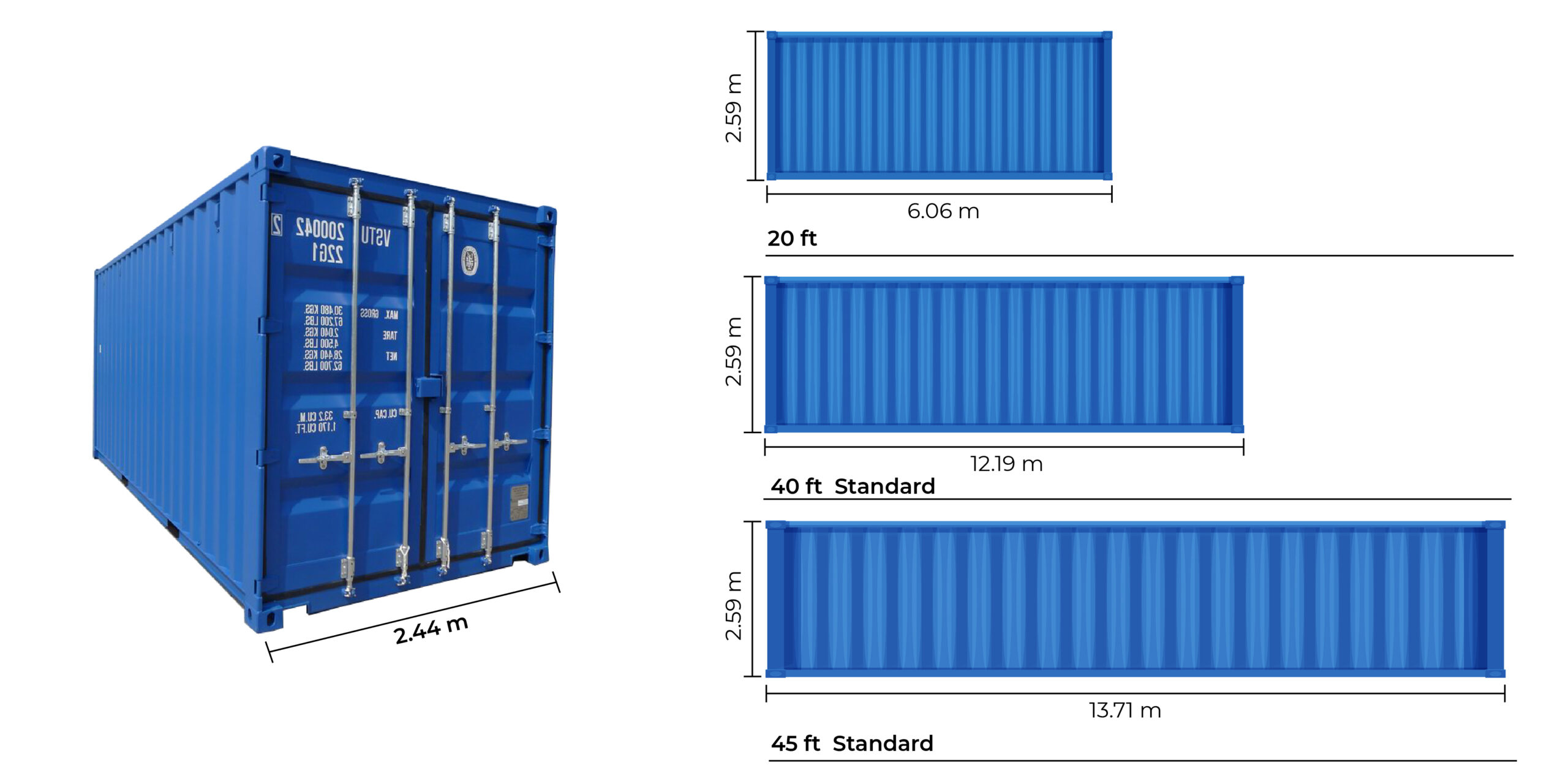
The standard variations and their technical properties include:
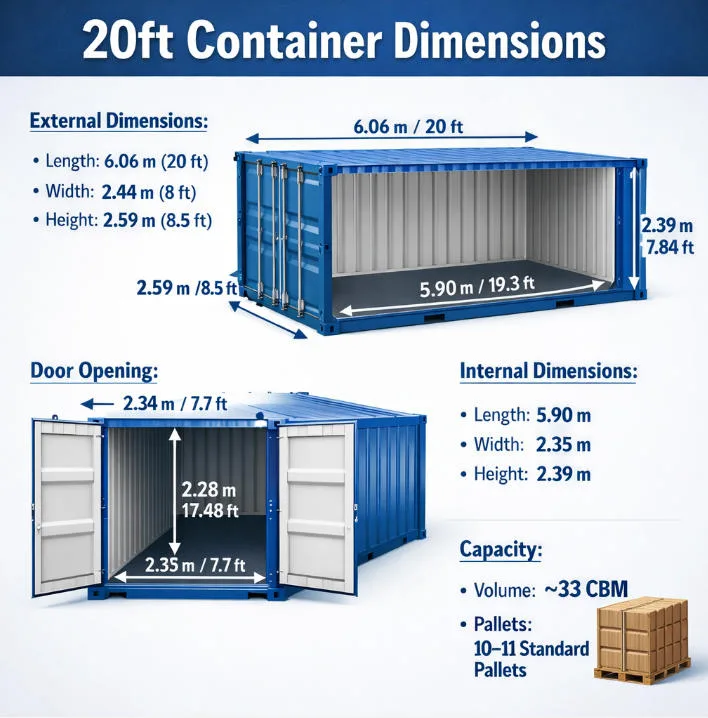
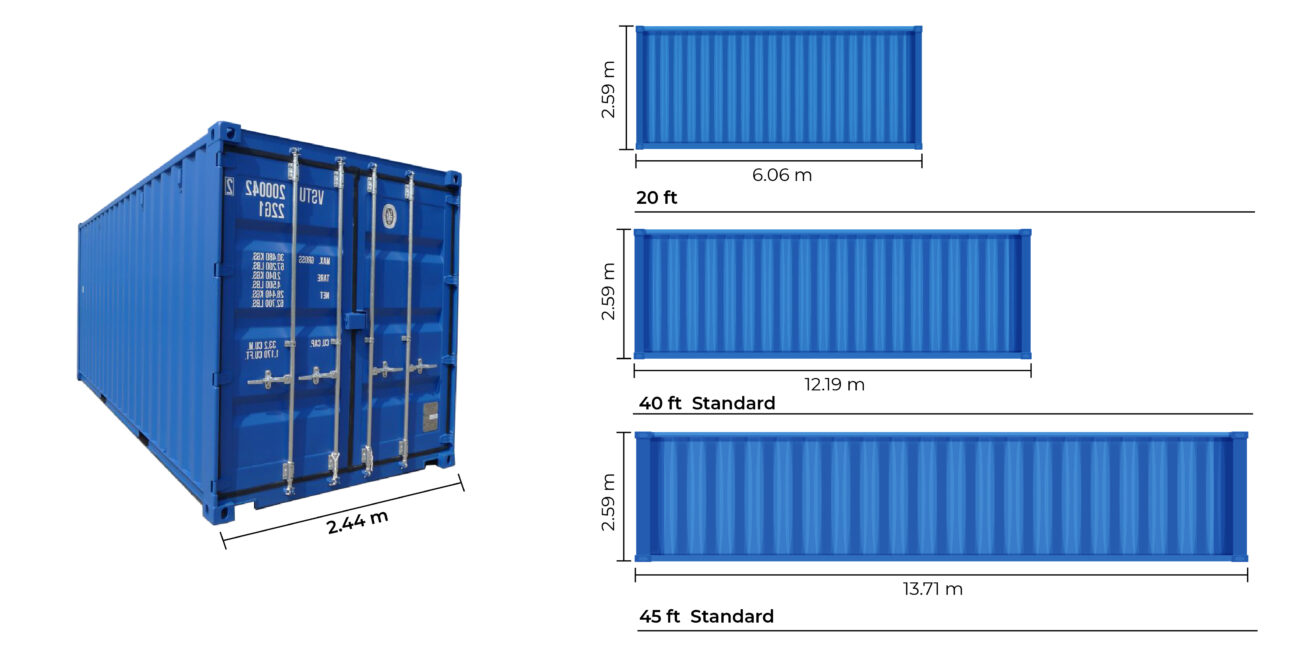
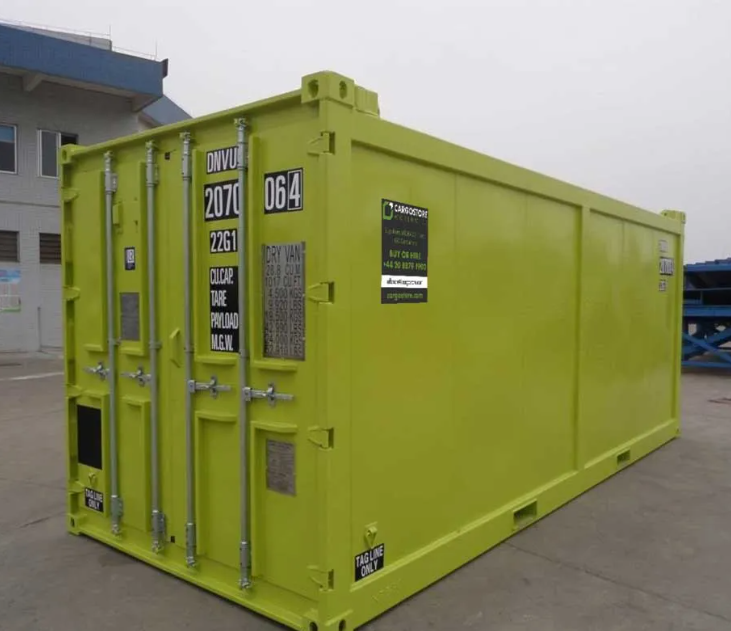
- 20ft Standard (Dry Van): Features an external length of 20 ft (6.06 m), an internal volume of $33.2\text{ m}^3$ (1,172 cu ft), and a maximum gross weight of 30,480 kg. Its primary use cases involve heavy, dense cargo, industrial storage on job sites, and basic modular setups.
- 40ft Standard (Dry Van): Features an external length of 40 ft (12.19 m), an internal volume of $67.7\text{ m}^3$ (2,390 cu ft), and a maximum gross weight of 30,480 kg. This size is traditionally deployed for general consumer goods, apparel, and furniture logistics.
- 40ft High Cube (HC): Features an external length of 40 ft (12.19 m), an internal volume of $76.4\text{ m}^3$ (2,700 cu ft), and a maximum gross weight of 30,480 kg. It provides extra vertical clearance, making it ideal for bulky cargo and architectural modifications.
- 20ft Refrigerated (Reefer): Features an external length of 20 ft (6.06 m), an internal volume of $28.3\text{ m}^3$ (1,000 cu ft), and a maximum gross weight of 34,000 kg. These specialized units manage cold chain transport for perishable foods and pharmaceuticals.
3. Major Types of shipping containers
Beyond standard dry vans, the intermodal transportation sector relies on several specialized structural designs tailored to specific cargo requirements. Exploring these types forms a crucial part of top-of-funnel informational research:
- Dry Vans: The most common enclosed steel containers used for general, non-perishable freight.
- Reefers (Refrigerated Units): Temperature-controlled containers equipped with integrated refrigeration units for cold-chain logistics.
- Open Top Containers: Built with a removable bow and PVC roof cover, making them ideal for loading oversized machinery or tall industrial equipment from above.
- Flat Rack Containers: Designed with collapsible sides or no side walls at all, allowing for the transport of awkwardly shaped or exceptionally wide cargo.
Conclusion
A well-planned project starts with choosing the right container. By understanding standard dimensions, evaluating condition grades correctly, and matching the unit to your specific goals, you can avoid costly mistakes and build a durable, long-lasting structure.